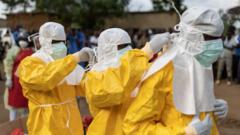
The recent declaration of the Ebola outbreak in the Democratic Republic of Congo as a global health emergency has sparked widespread concern and raised questions about the severity of the situation. With almost 250 suspected cases reported, the World Health Organization (WHO) has taken the unprecedented step of issuing a public health emergency of international concern. This move is a clear indication that the situation is being closely monitored and that the international community is taking the outbreak very seriously.
The current outbreak, which began in August 2018, has already resulted in significant loss of life and has shown no signs of slowing down. The affected regions in eastern DR Congo have been plagued by conflict and instability, making it challenging for health workers to access the areas and provide aid to those in need. The WHO has been working tirelessly to contain the outbreak, but the spread of the disease has been exacerbated by the lack of infrastructure, limited resources, and the mistrust of local communities towards healthcare workers.
As the situation continues to unfold, the international community is coming together to provide support and assistance to the affected regions. The WHO has deployed teams of experts to the area, and numerous countries have pledged financial and logistical support to help combat the outbreak. Additionally, vaccination efforts are underway, with healthcare workers and high-risk individuals being prioritized for immunization. Despite these efforts, the road to containment will be long and challenging, and it is essential that the international community remains committed to providing support and resources to those affected by the outbreak.
The declaration of the Ebola outbreak as a global health emergency serves as a stark reminder of the devastating impact that infectious diseases can have on communities and the importance of global cooperation in preventing and responding to such crises. As the situation in DR Congo continues to evolve, it is crucial that the international community remains vigilant and proactive in its response, working together to contain the outbreak and prevent further spread of the disease. With continued support and cooperation, it is possible to bring the outbreak under control and prevent further loss of life, but it will require a sustained and collective effort from governments, health organizations, and local communities.



Comments (0)