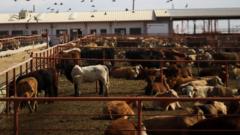
The Canadian government has taken swift action to protect its livestock by imposing a ban on cattle imports from Texas, following the outbreak of flesh-eating screwworms in the US state. This move comes as a precautionary measure to prevent the spread of the disease, which can have devastating effects on cattle populations. The screwworm infestation, caused by the parasitic fly Cochliomyia hominivorax, can lead to severe tissue damage and even death in infected animals.
The ban was announced after a second infected calf was identified in Texas, prompting the state to declare a state of disaster. The outbreak has raised concerns among livestock farmers and animal health experts, who fear that the disease could spread rapidly if left unchecked. The Canadian government's decision to ban cattle imports from Texas is seen as a proactive step to safeguard the country's livestock industry and prevent potential economic losses.
The flesh-eating screwworm outbreak in Texas has significant implications for the livestock industry, both in the US and Canada. The disease can spread quickly through direct contact between infected and healthy animals, making it essential to take swift and decisive action to contain the outbreak. The US state of Texas has already begun taking measures to control the spread of the disease, including implementing quarantine zones and conducting surveillance to identify infected animals.
As the situation continues to unfold, animal health experts and livestock farmers are closely monitoring the developments in Texas. The Canadian ban on Texas cattle is expected to remain in place until the outbreak is brought under control, and the risk of transmission to Canadian livestock is deemed to be low. The incident highlights the importance of international cooperation and swift action in preventing the spread of animal diseases, and the need for continued vigilance to protect the health and well-being of livestock populations.



Comments (0)