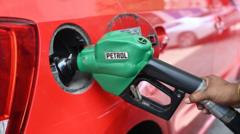
The global oil market has been thrown into a state of flux as hopes of a peace deal between the United States and Iran continue to rise. This development has led to a significant decline in oil prices, as investors and analysts alike begin to speculate about the potential implications of such a deal. The prospect of renewed diplomatic relations between the two nations has sparked a wave of optimism, with many experts predicting a decrease in oil prices as tensions in the region ease.
At the heart of this potential agreement is the reopening of the Strait of Hormuz, a vital waterway that connects the Persian Gulf to the Gulf of Oman. The Strait is a critical chokepoint for global oil supplies, with a significant proportion of the world's oil passing through it every day. The reopening of the Strait would not only ease tensions in the region but also increase the global oil supply, thereby driving down prices. The details of the agreement, however, remain scarce, with US President Trump revealing little about the terms of the deal.
The decline in oil prices has significant implications for the global economy, with many countries set to benefit from lower fuel costs. The impact of the deal will be particularly felt in the transportation and manufacturing sectors, where fuel costs are a major expense. As the global economy continues to navigate the challenges of the pandemic, a decrease in oil prices could provide a much-needed boost to economic growth. However, the situation remains fluid, and the outcome of the negotiations is far from certain.
As the world waits with bated breath for the outcome of the US-Iran talks, the oil market remains on high alert. The potential for a peace deal has sparked a wave of volatility, with prices fluctuating wildly in response to every rumor and announcement. Despite the uncertainty, one thing is clear: a peace deal between the US and Iran would have far-reaching implications for the global economy, and the oil market in particular. As the situation continues to unfold, investors and analysts will be watching closely, eager to see how events develop and what the future holds for the global oil market.

Comments (0)