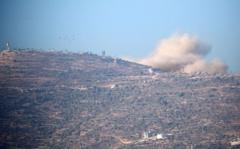
A fragile calm has descended over the Middle East after Iran and Israel announced a pause in their recent exchanges of strikes. The announcement comes as a welcome relief to a region that has been on edge in recent days, with both sides engaging in a series of retaliatory attacks. According to Israeli Prime Minister, his country is "holding fire at the moment", in a statement that suggests a cautious approach to the current ceasefire.
Iran's armed forces had earlier stated that they had stopped military action, paving the way for a temporary lull in hostilities. The move is seen as a significant development, given the long-standing tensions between the two nations. Despite the pause in strikes, both sides have warned that they will not hesitate to retaliate if the ceasefire is breached again. This warning serves as a reminder that the situation remains volatile, and that any miscalculation could lead to a rapid escalation of violence.
The international community will be watching the situation closely, as a lasting peace between Iran and Israel has the potential to transform the regional landscape. A ceasefire, even if temporary, provides a window of opportunity for diplomatic efforts to gain traction. However, the road to a permanent peace agreement will be long and challenging, requiring concessions and compromises from both sides. For now, the world can only hope that the current pause in hostilities will hold, and that a path towards a more lasting peace can be forged.
As the situation continues to unfold, the statements from both Iran and Israel serve as a reminder that the conflict is far from over. The fact that both sides are warning of retaliation if the ceasefire is breached again suggests that the truce is fragile, and that a return to violence is always a possibility. Despite this, the pause in strikes provides a glimmer of hope that a more peaceful future may be possible, and that the region can begin to move away from the cycle of violence that has characterized its recent history.




Comments (0)