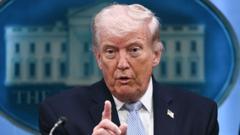
The Strait of Hormuz, a vital waterway connecting the Persian Gulf to the Gulf of Oman, has become a flashpoint in the escalating tensions between the US and Iran. In a recent statement, US President Donald Trump announced plans to impose a naval blockade on the strait, sparking concerns about the potential consequences for global trade and regional stability. But what exactly is a naval blockade, and how would it work in practice?
A naval blockade is a military tactic used to restrict the movement of ships in and out of a particular area, often to prevent the transport of goods or to exert pressure on a country or region. In the case of the Strait of Hormuz, a blockade would involve the deployment of US naval vessels to intercept and inspect ships passing through the strait, which is a critical chokepoint for international oil trade. The US would likely use a combination of warships, submarines, and aircraft to enforce the blockade, with the aim of preventing Iranian ships from exporting oil or importing goods.
The implications of a naval blockade on the Strait of Hormuz would be far-reaching. With approximately 20% of the world's oil supply passing through the strait, a blockade would have a significant impact on global energy markets, potentially leading to higher oil prices and economic disruption. Additionally, the blockade would also affect other countries that rely on the strait for trade, including Saudi Arabia, the United Arab Emirates, and other Gulf states. The move would also raise concerns about the potential for escalation, as Iran has threatened to retaliate against any attempt to restrict its access to the strait.
The effectiveness of a naval blockade in achieving the US's goals is also uncertain. Iran has developed alternative routes for exporting oil, including pipelines and overland routes, which could reduce the impact of a blockade. Furthermore, the international community may not support the blockade, with some countries potentially viewing it as an act of aggression or a violation of international law. As tensions continue to escalate, the world watches with bated breath as the situation in the Strait of Hormuz unfolds, with the potential for a naval blockade hanging precariously in the balance.



Comments (0)