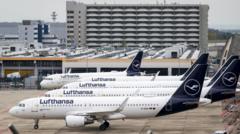
The ongoing conflict between the US, Israel, and Iran has sent shockwaves through the global aviation industry, with Lufthansa becoming the latest airline to announce significant cuts to its flight schedule. The German carrier has revealed plans to cancel 20,000 flights over the summer period, citing the unprecedented surge in jet fuel prices as the primary reason for this drastic measure. As the cost of fuel continues to escalate, airlines are being forced to reassess their operations and make tough decisions to stay afloat.
The US-Israel war with Iran has disrupted global oil supplies, leading to a sharp increase in fuel prices. This has had a devastating impact on the aviation industry, which is heavily reliant on jet fuel to operate. With fuel costs accounting for a significant portion of an airline's expenses, the current price surge has made it unsustainable for many carriers to maintain their usual flight schedules. Lufthansa's decision to cut 20,000 flights is a clear indication of the severe pressure the industry is under, and other airlines may soon follow suit.
The cancellation of flights will undoubtedly cause inconvenience to passengers, particularly those who have already booked their summer travel plans. Lufthansa has announced that it will be in touch with affected customers to offer alternative arrangements or refunds. However, the airline's decision may also have a broader impact on the travel industry as a whole. With fewer flights available, prices for remaining seats may increase, making it more expensive for people to travel. Additionally, the reduction in air traffic may also have a knock-on effect on tourism and related industries.
As the situation continues to unfold, it remains to be seen how the aviation industry will adapt to the new reality of soaring fuel prices. In the short term, airlines will need to find ways to mitigate the impact of these increased costs, whether through flight cancellations, route adjustments, or other measures. In the long term, the industry may need to explore more sustainable and fuel-efficient solutions to ensure its continued viability. For now, passengers and airlines alike will need to navigate the challenges posed by the escalating fuel prices and the ongoing conflict in the Middle East.




Comments (0)