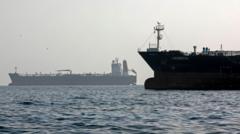
The Middle East has witnessed a significant escalation of tensions between Iran and the United States, with both countries reporting a new wave of air strikes in the Gulf. The latest developments have sparked concerns about the potential for a wider conflict in the region. The air strikes, which targeted military facilities around the strategic Strait of Hormuz, mark a significant increase in hostilities between the two nations.
According to reports, Washington and Tehran have both launched attacks on each other's military installations, with the US targeting Iranian military bases and Tehran retaliating with strikes on American facilities in the region. The Strait of Hormuz, a vital waterway that connects the Persian Gulf to the Arabian Sea, is a critical chokepoint for international oil shipments, and any disruption to shipping lanes could have significant economic implications.
The latest air strikes are the latest chapter in a long-standing dispute between Iran and the US, which has been simmering for years. The tensions between the two nations have been fueled by a range of issues, including Iran's nuclear program, its support for militant groups in the region, and American sanctions on the Iranian economy. The situation remains highly volatile, and there are fears that the conflict could escalate further, drawing in other regional players and potentially sparking a wider war.
As the situation continues to unfold, international leaders are urging restraint and calling for a diplomatic solution to the crisis. The United Nations and other global organizations have expressed concern about the potential humanitarian consequences of a wider conflict, and have urged both sides to engage in dialogue and find a peaceful resolution to their differences. With the region teetering on the brink of chaos, the world is watching with bated breath as the situation in the Gulf continues to unfold.




Comments (0)