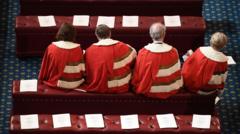
The British Parliament has witnessed a significant milestone with the abolition of the 700-year-old system of hereditary peers, marking the end of an era for the country's upper chamber. This change comes after months of debate and negotiation, culminating in the passage of legislation last month that removed the right of hereditary peers to sit in the House of Lords. The reform is seen as a major step towards modernizing the British parliamentary system, making it more representative and accountable to the people.
The abolition of hereditary peers is a significant break from tradition, as the system has been in place for centuries. The House of Lords, which has been a cornerstone of British politics, will now be composed of appointed members, known as life peers, who will be chosen for their expertise and contributions to society. This change is expected to bring a more diverse range of perspectives and experiences to the upper chamber, enabling it to better reflect the needs and interests of the British people.
The reform has been welcomed by many as a long-overdue step towards creating a more democratic and inclusive parliamentary system. The presence of hereditary peers has been seen as an anachronism, with many arguing that it is unfair and undemocratic for individuals to hold power and influence simply because of their birth. The abolition of this system is expected to pave the way for further reforms, aimed at increasing transparency and accountability in the British parliamentary system.
As the British Parliament embarks on this new chapter, it is likely to face both opportunities and challenges. The removal of hereditary peers will undoubtedly lead to a period of adjustment, as the House of Lords adapts to its new composition. However, the reform is also likely to bring new energy and ideas to the upper chamber, enabling it to play a more effective role in shaping the country's laws and policies. As the UK continues to evolve and grow, this historic reform marks an important step towards creating a more modern, representative, and accountable parliamentary system.



Comments (0)