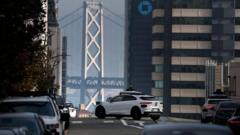
The state of California is taking a significant step towards regulating the growing number of autonomous vehicles on its roads. As of now, police officers will have the authority to issue tickets directly to the manufacturers of driverless cars that violate traffic laws. This move is aimed at ensuring that these vehicles operate safely and responsibly, and that their manufacturers are held accountable for any infractions.
The new rules are a response to the increasing presence of autonomous vehicles on California's roads, with many tech companies testing and deploying self-driving cars in the state. While these vehicles have the potential to revolutionize transportation, they also pose unique challenges for law enforcement and regulators. By allowing police to issue tickets to manufacturers, California is establishing a clear framework for addressing traffic violations committed by driverless cars.
The implications of this new policy are significant, as it marks a shift in the way that autonomous vehicles are regulated. Previously, it was unclear who would be held responsible when a driverless car broke a traffic law. Now, manufacturers will be directly accountable, which is likely to encourage them to prioritize safety and compliance. This move may also have broader implications for the development of autonomous vehicles, as manufacturers will need to ensure that their vehicles are designed and programmed to operate within the bounds of the law.
The introduction of these new rules is a significant step forward in the regulation of autonomous vehicles, and it will be interesting to see how other states and countries respond to the challenges posed by driverless cars. As the technology continues to evolve and improve, it is likely that we will see more innovative solutions to the regulatory challenges it presents. For now, California's new policy provides a clear framework for addressing traffic violations committed by driverless cars, and it sets an important precedent for the future of autonomous transportation.


Comments (0)