
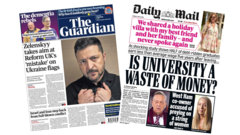
The leader of the Reform party, Nigel Farage, has found himself at the center of a growing controversy surrounding a £5 million donation he received from a wealthy donor. According to reports, the substantial gift was made before Farage became a member of parliament, and he has since claimed that the money was used to cover his personal security costs. However, opponents are now calling for greater transparency and questioning why the donation was not declared.
The news has sparked a heated debate about the ethics of accepting large donations and the need for politicians to be open about their financial dealings. Critics argue that Farage's failure to disclose the £5 million gift raises serious concerns about his integrity and the potential for undue influence. They also point out that, as a public figure, Farage has a responsibility to be transparent about his finances and to avoid any actions that could be seen as compromising his position.
Farage has defended his actions, stating that the donation was made for legitimate security purposes and that he has done nothing wrong. However, his explanations have done little to quell the criticism, and many are now demanding a full investigation into the matter. The controversy has also raised questions about the broader issue of political funding and the need for greater regulation to prevent wealthy donors from exerting influence over politicians.
As the controversy continues to unfold, Farage and his party are facing mounting pressure to provide a full and detailed account of the donation and how it was used. The Reform leader's reputation is on the line, and the outcome of this scandal could have significant implications for his future in politics. With the public's trust in politicians already at a low, this latest controversy is likely to further erode confidence in the system and underscore the need for greater transparency and accountability in political finance.



Comments (0)